
Tips and Techniques
What does working on a collection look like?
And how do you design a greeting card collection?
A Greeting Card collection, also known as a card line, is a cohesive set of cards designed to complement each other, giving the impression that they belong to the same family.
Typically, these cards share a common color palette and a common theme.
When displayed together on a card rack in a store, their cohesive designs make it obvious that they are a part of the same collection.
How Many Cards Should One Collection have?
One card line could have anywhere between 4 to 12 number of cards in their collection. Ultimately, the number of cards in a collection is up to the designer and what they feel best suits their collection.
It could be a set of 6 Cards, 8 Cards or 10 to 12 cards.
But the main idea behind designing a collection is that it should look cohesive, should follow a theme and all the cards in the collection should go well together.
So How Do You Put a greeting card collection together?
Begin by brainstorming your ideas and sketching them roughly. Create a concept and note down all your ideas on paper. Once you have a rough concept on paper, you can start working on the sketches using your digital tablet or computer.

When it comes to creating your greeting card collection, you’ll need a digital tablet, such as an iPad or Wacom, for drawing artwork. Alternatively, you can use a computer to digitize your artwork using software like Adobe Illustrator or Photoshop. This is especially important if you plan to sell multiple prints of the same design rather than just creating a single handmade card.
Picking the right color palette.
One of the most enjoyable aspects of “Designing” is choosing the color palette. If you find selecting colors challenging, you can explore color palettes online through Google or select readymade palettes from colors.adobe.com.
(While we’ll go deeper into color theory in a future blog post, this article focuses on creating a greeting card line)
When it comes to picking the right colors, consistency is key. A card line should feature the same color palette throughout. Your palette can range from three to fifteen or more colors, as long as they are consistently used within that specific collection.
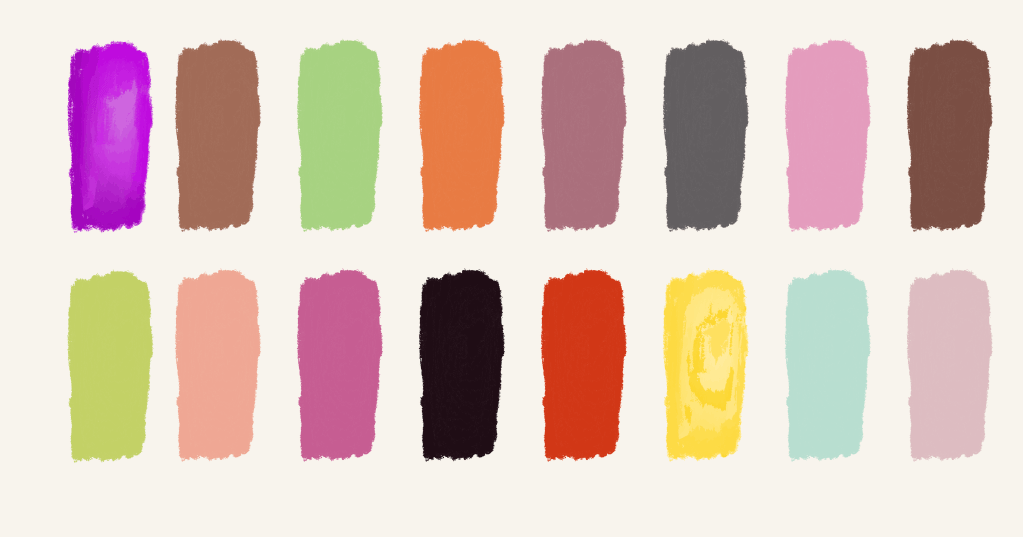
Maintaining a Consistent Theme:
It’s important to stick to a theme throughout your card collection. While designing, It’s easy to veer off course, and end up with a completely different design, but you can always readjust and try sticking to your theme.
Therefore, it’s crucial to ensure that all the cards in a collection look cohesive, as if they belong to the same category.
For instance, all the cards in your collection might share similar artistic motifs, such as floral designs, or blobs, or use a consistent font or writing style across the collection.

Naming Your Collection:
After designing your entire collection, give it a name that best describes it. Consider providing a brief description of your collection before pitching your greeting cards to stores, sales reps, or selling them online.
Working on a collection not only creates a cohesive and complete body of work, but also challenges you as a designer to showcase your artistic style in a unified way.
It’s more easier to use a single color palette for a set of five cards than to choose new colors for each card. Art licensors and buyers generally prefer purchasing a set of cards rather than individual cards, as it helps them understand your style in a more polished manner.
When pitching your cards for sales, whether on your website, through stores, or on third-party sites, presenting a cohesive collection that complements each other professionally showcases your work and sets you apart from others.
Once your collections are ready, you can sell your cards on your website, Etsy, or pitch them to art directors or businesses for royalties. You can also consider selling your greeting cards in local stores or art fairs.
If you found this article helpful, consider signing up for my newsletter, where I share useful tips related to design without any fluff.
 SKUSH DESIGNS